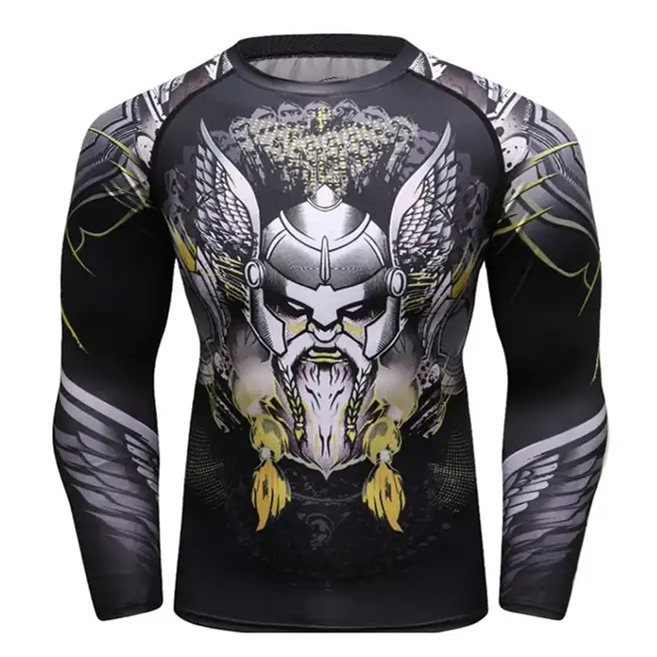
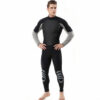
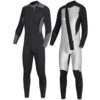
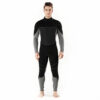
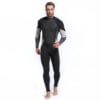
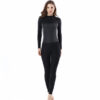
Logo printing on wetsuits is a popular way for both individuals and companies to add a personal touch to their gear. Understanding the different printing methods can help you choose the best option for your needs. Table of Contents Screen Printing The common methods for printing logos on wetsuits and lycra suits include screen printing, heat transfer printing, and sublimation printing. Screen printing involves pushing ink through a mesh stencil onto the wetsuit, this method suits for simple design logo. Heat Transfer Printing Heat transfer printing uses heat to transfer the logo from a carrier paper onto the wetsuit, this method suits for complex design logo with many colors mixed together. Sublimation Printing Sublimation printing uses heat to transfer the logo directly onto the fabric of the wetsuit/lycra. Logo Printing Cost Different printing methods have their own advantages and considerations, and the choice depends on factors such as the design, quantity, and budget. If you want to know how much it costs to print your logo on wetsuits, or seek for a more suitable printing method, please feel free to contact us. we accept custom order and will provide you with the best solution and quotation.
Choose right rubber boots for water sports
Diving boots are an essential piece of equipment for any diver, snorkeler or surfer. They protect your feet from rough surfaces, sharp objects and cold water. Choosing the right diving boots can greatly improve your overall diving experience. Here’s a guide on how to choose the right diving boots for your needs. Table of Contents Introduction to Rubber/Neoprene Boots Neoprene Boots, also known as Rubber Boots for Water Sports, are made from a combination of neoprene and a soft rubber sole. These boots are designed to keep your feet warm and protect them from sand and sharp surfaces while diving, snorkeling, or surfing. Consider the Material When choosing diving boots, consider the material they are made of. Some diving boots are made of pure neoprene rubber, while others are made of a combination of rubber and fabric. The latter tends to be more durable. Size and Style Size is an important factor to consider when choosing diving boots. You want to ensure a proper fit to prevent blisters or discomfort during the dive. Consider the style of the boot as well, whether you prefer high-cut or low-cut, with or without zippers, and with or without inner lining fabric. Thickness and Style Selection Consider the thickness and style of the diving boots based on the water temperature and diving environment. If the water temperature is moderate and the diving environment is not too rough, regular vulcanized sole diving boots with 2-3mm thickness are suitable. For colder water and rougher diving environments, boots with thicker vulcanized soles and high-cut styles with zippers are recommended. How to Maintain Diving Boots Proper maintenance of diving boots can help extend their lifespan. Store them in a cool, dry place when not in use. Rinse them with fresh water after each use to remove salt and sand. Allow them to air dry in a well-ventilated area. In conclusion, choosing the right diving boots is essential for a safe and enjoyable diving experience. Consider the material, size, style, thickness, and maintenance of the boots when making your selection. With the right pair of diving boots, you can confidently explore the underwater world.
From Rubber to Wetsuits -Manufacturing Process Behind Your Wetsuits
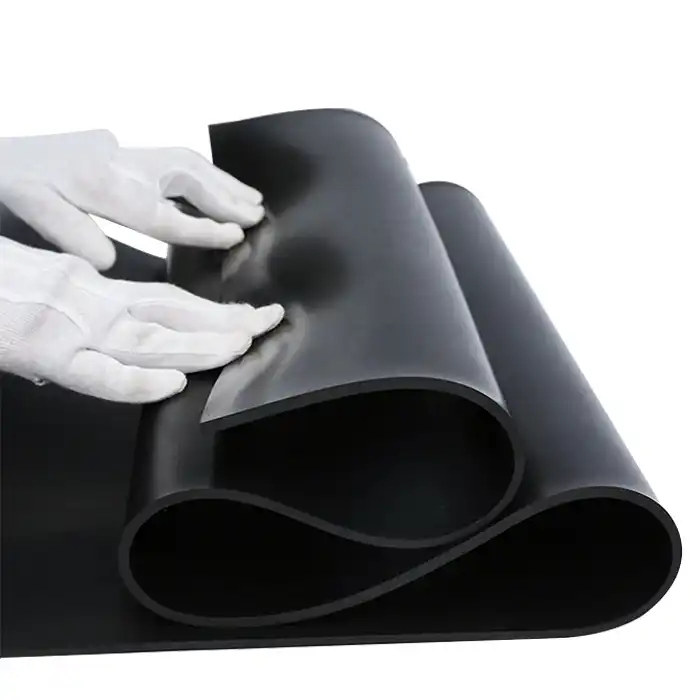
Do you know how your wetsuit raw materials are produced? This article will show you our factory neorpene workshop, and you will see how rubber raw material are transformed into your wetsuits. Table of Contents Thick Rubber Sheets Firstly, what you see now are the wetsuit raw material -thick rubber sheets, which are classified according to their natural properties such as softness and elasticity into SBR, SCR, and CR. The rubber color is generally black, but white is also available. Slicing Process Then, the next step is Slicing Process Just bare chip The thinnest can be cut to 1.0mm Width 130-135cm Industry standard thickness (tolerance 0.2mm) compound technology Diving material structure: Cloth + rubber + cloth, rubber are lined with cloth by glue Compounded with cloth After the rubber chips are sliced, they need to be compounded with cloth to be applied to wetsuits. Diving material structure: cloth + rubber + cloth, rubber are lined with 2 layers of cloth by glue Finished Wetsuit Fabrics Now it comes to the finished wetsuit fabrics. After printing and sewing process, a final wetsuit is completed.
How to Choose UV Lycra for Water Sports
When it comes to water sports, protecting your skin from the sun’s harmful rays is essential. That’s where UV Lycra comes in – a type of fabric that is designed to provide protection from both UVA and UVB rays. Here are some tips on how to choose the right UV Lycra for your water sports activities: Table of Contents Consider the level of protection needed. UV Lycra/Rash Guard is available in different levels of protection, ranging from UPF 15 to UPF 50+. The higher the UPF rating, the more protection the fabric provides. When choosing UV Lycra, consider the intensity and duration of your water sports activities and choose a level of protection that suits your needs. As a professional manufacturer, we usually recommend UPF 50+ UV Lycra. Look for quality materials. UV Lycra should be made from high-quality materials that are resistant to fading, stretching, and pilling. Look for fabrics that are specifically designed for water sports, such as those with quick-drying and moisture-wicking properties. As a professional manufacturer, we usually have multiple specifications of fabrics, and we typically recommend 17% spandex + 83% nylon. Spandex is added to fabric to improve its elasticity, while nylon is known for its smooth texture, durability, and quick-drying properties. Check for a comfortable fit. A comfortable fit is crucial when it comes to UV Lycra. Look for fabrics that offer a good amount of stretch and a snug fit without being too tight. This will ensure that the fabric stays in place and provides maximum protection. Consider additional features. Some UV Lycra comes with additional features, such as built-in hoods, thumbholes, and zippers. These features can provide extra protection and convenience during water sports activities. Choose a style that suits your needs. UV Lycra is available in a range of styles, including long-sleeve tops, short-sleeve tops, full-body suits, and more. Choose a style that suits your needs and provides the right level of protection for the areas of your body that are most exposed to the sun. How to Maintaining your UV Lycra Maintaining your UV Lycra is important to ensure they last for as long as possible. Here are some tips: Proper storage: Store your UV Lycra in a cool, dry place when not in use. Avoid exposing them to direct sunlight, which can damage the fabric. Washing and cleaning: Rinse your UV Lycra with fresh water after each use to remove salt and sand on the surface. Avoid using harsh detergents or bleach, as this can damage the fabric. Air drying: Allow your UV Lycra to air dry in a well-ventilated area. Avoid using a dryer, which can shrink the fabric and damage the elasticity. By following these simple maintenance tips, you can help prolong the lifespan of your UV Lycra and ensure they continue to provide you with the protection and comfort you need for your water sports activities. In summary, choosing the right UV Lycra/Rash Guard for your water sports activities is essential for protecting your skin from the sun’s harmful rays. Consider the level of protection needed, look for quality materials and a comfortable fit, consider additional features, and choose a style that suits your needs. With these tips in mind, you’ll be able to enjoy your water sports activities while staying safe in the sun.
Tips of Choose Wetsuit for Diving/Surfing
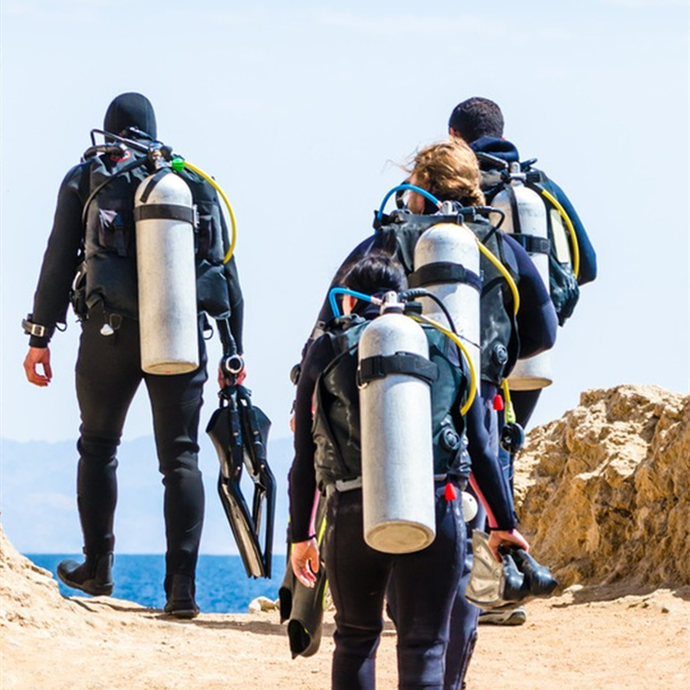
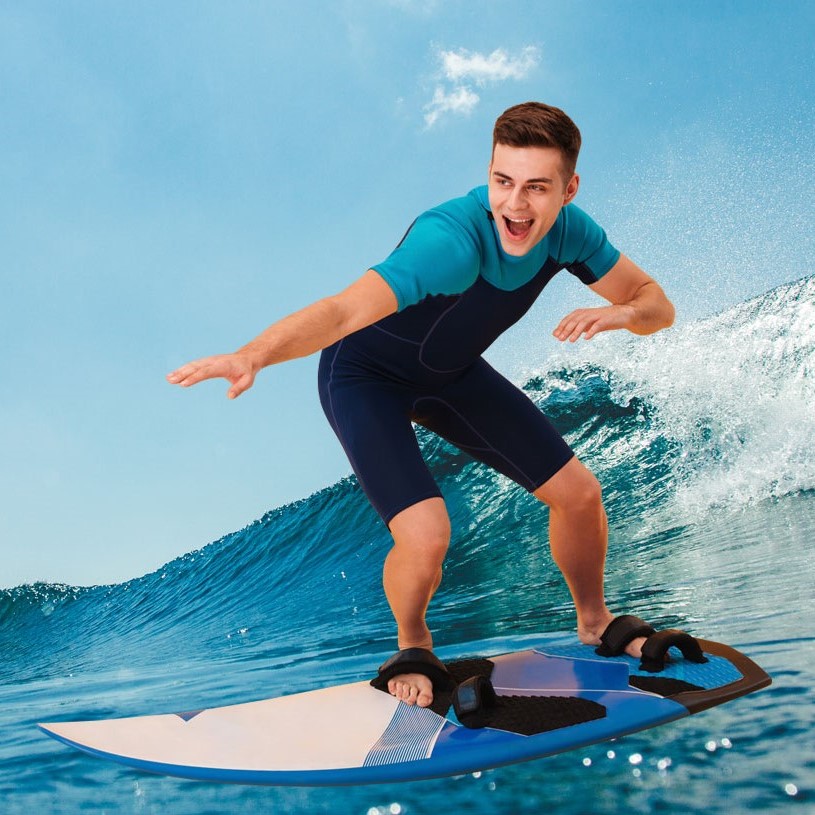
Diving and surfing are exciting & popular water sports that requires the right equipment, including a wetsuit. A wetsuit provides insulation, protection, buoyancy. Choosing the right Wetsuits is crucial to ensure comfort and safety while exploring the water world, here are some tips on how to select the perfect one. Table of Contents Consider the Water Temperature The water temperature is the most important factor to consider when selecting a wetsuit. Wetsuits are available in different thicknesses, ranging from 1mm to 7mm. The thickness of the wetsuit should match the water temperature to ensure the diver/surfer is protected and comfortable. In warm waters, a 1mm to 3mm wetsuit is suitable, while in colder waters, a thicker wetsuit is necessary. Determine the Style and Fit Wetsuits come in different styles, including full-length, shorties, two-piece suits and spring suits. Full-length wetsuits cover the entire body and are suitable for colder water temperatures. Shorties are shorter wetsuits that cover the upper body and thighs and are ideal for warm water temperatures. Two-piece wetsuits consist of separate tops and bottoms and provide more flexibility for movement. Spring suits are sleeveless wetsuits that are suitable for mild water temperatures. In addition to style, the fit of the wetsuit is essential. A wetsuit that is too loose will not provide adequate insulation, while a wetsuit that is too tight will restrict movement and cause discomfort. The wetsuit should fit snugly without any gaps or bulges. Choose the Material Wetsuits are typically constructed using a combination of materials, with the primary material being rubber (neoprene), which is then lined with fabrics such as nylon and spandex. Neoprene is favored for its insulating properties, while the cloth layer provides flexibility and comfort. The thickness of a wetsuit refers to the combined thickness of the neoprene and cloth layers, with a 3mm wetsuit, for example, comprising 2.6mm of neoprene lined with both inner and outer layers of nylon cloth(0.2mm+0.2mm) to achieve a total thickness of 3mm. Check for Additional Features Some wetsuits come with additional features such as reinforced knees, wrist and ankle seals, and hoods. These features provide extra protection and durability and are beneficial for divers/surfers who spend a lot of time in the water. In addition, some accessories can provide additional protection and convenience for diving and surfing, such as neoprene gloves/ socks / boots. Consider Your Budget Wetsuits are available in a wide range of prices, and the cost will depend on the material, thickness, and features. It is essential to consider your budget when selecting a wetsuit. However, it is important to remember that a high-quality wetsuit is a long-term investment and will provide comfort and protection for years to come. You may want to know: A Westuit Factory’s Cost Calculation As a wetsuit factory, our cost calculation typically takes into account several factors, including the cost of raw materials, such as neoprene and fabric, as well as the cost of labor and production processes. The price of neoprene is usually determined by its thickness, quality, and type (natural or artificial), we often classify rubber materials into different levels based on their softness/ stretchiness, which are commonly referred to as SCR, CR, artificial/ natural neoprene etc. These classifications greatly affect the cost of wetsuits. Similarly, the cost of fabrics used for wetsuits varies depending on the level of quality, with nylon fabric being the least expensive, followed by Lycra fabric, and high-stretch spandex fabric being the most expensive. In conclusion, selecting the right wetsuit is crucial for a safe and enjoyable water sports experience. Consider the water temperature, thickness, style and fit, material, additional features, and your budget when choosing a wetsuit. With these tips in mind, you can select a wetsuit that provides comfort, protection, and durability for your diving/surfing adventures.